Best Indian Diet for PCOS: What to Eat, What to Avoid, and Why It Works
Discover the best Indian foods for PCOS, what to avoid, and how personalised nutrition helps restore hormones, reduce symptoms and support weight loss naturally.
PCOS
Dietician Ankita Gupta Sehgal
12/10/20254 min read
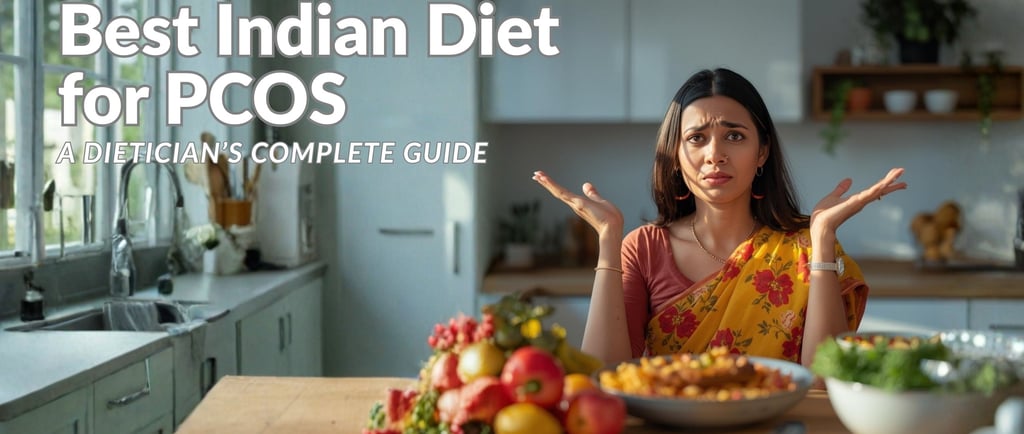
PCOS affects millions of Indian women today, yet the condition remains widely misunderstood. Many women feel frustrated with irregular periods, weight gain, acne, fatigue, bloating and unpredictable mood shifts. But there is one aspect that consistently shapes PCOS outcomes more than anything else: diet.
The Indian diet, when structured properly, can be one of the most effective ways to control and even reverse PCOS symptoms. Contrary to common belief, you do not need a Western diet, restrictive meal plans or fancy supplements. What you truly need is the right Indian diet, balanced in a way that supports insulin sensitivity, reduces inflammation and restores hormonal balance.
As a clinical dietitian who has worked with thousands of women, I have seen PCOS symptoms transform significantly with simple, personalised changes rooted in everyday Indian foods.
Why an Indian Diet Works So Well for PCOS
The strength of Indian cuisine lies in its balance. A thoughtfully designed Indian plate naturally offers protein, fiber, complex carbohydrates and healthy fats - each of which plays a critical role in PCOS management.
Most women with PCOS struggle with insulin resistance. When insulin levels stay high, it triggers a hormonal chain reaction that disrupts ovulation and elevates androgens. Balanced Indian meals help stabilise blood sugar through dal, legumes, vegetables, whole grains and protein-rich foods. When blood sugar stabilises, hormonal symptoms begin to ease.
Indian cooking is also naturally anti-inflammatory. Turmeric, ginger, cumin, ajwain, cinnamon and cloves have measurable anti-inflammatory and antimicrobial benefits. Reducing inflammation can significantly improve acne, bloating, fatigue and irregular periods.
Gut health is another overlooked part of PCOS. Traditional Indian foods like curd, buttermilk, vegetables, dals and spices support digestion and promote a healthier microbiome - both necessary for hormone regulation.
A well-balanced Indian diet doesn’t require removing favourite foods. Instead, it focuses on proportion, quality and timing.
What to Eat for PCOS: Indian Foods That Support Hormone Balance
The foundation of a PCOS-friendly Indian diet begins with stable energy, balanced blood sugar and nutrient-rich meals. Protein should be present at every meal, whether through dal, paneer, eggs, legumes, tofu or sprouts. Most women unknowingly eat far less protein than required, and this alone worsens cravings, fatigue and weight gain.
Fibre is equally important. Vegetables, whole fruits, whole grains, millets, beans and seeds reduce insulin spikes, improve gut health and support hormone detoxification. Increasing fibre intake is one of the simplest ways to reduce PCOS symptoms naturally.
Carbohydrates should not be eliminated but chosen wisely. Low-GI options such as multigrain rotis, moong chilla, oats, brown rice, millets and sweet potatoes help maintain stable blood sugar. The key is pairing every carbohydrate source with protein to avoid sudden spikes.
Healthy fats are essential for hormone production and ovulation. Homemade ghee in small quantity, nuts, seeds, coconut, and cold-pressed oils help regulate inflammation and improve hormonal balance.
Spices such as turmeric, ginger, cinnamon, fennel, cumin and cloves can significantly reduce inflammation and support digestion. These ingredients have been part of Indian kitchens for generations and play a therapeutic role in modern metabolic health as well.
Indian Superfoods That Help PCOS
Certain foods traditionally used in Indian households offer exceptional benefits for PCOS. Methi seeds help improve insulin sensitivity. Amla supports antioxidant status and reduces inflammation. Soaked nuts and seeds improve satiety and support hormone production. Curd and buttermilk help restore gut balance. Curry leaves, kokum and gond also contribute to metabolic and digestive health. These foods are simple, accessible and deeply effective when used consistently.
Foods to Avoid for PCOS
The foods that worsen PCOS symptoms are typically those that spike insulin, increase inflammation or disrupt digestion. These include refined carbohydrates such as white bread, maida-based snacks, bakery items, sugary beverages, sweetened teas and coffees, packaged snacks, deep-fried foods and overly processed dairy-based desserts.
Long gaps between meals can also worsen blood sugar fluctuations, leading to cravings and overeating later. Excessive caffeine and high-sugar foods may further aggravate hormonal imbalance and anxiety.
While complete elimination is not required, mindful reduction of these items brings significant improvement.
Why Many Women Don’t See Results Despite Changing Their Diet
The challenge with PCOS is that no two women have the same root cause. For some, insulin resistance is dominant. For others, inflammation, thyroid imbalance, stress, gut dysbiosis or nutrient deficiencies drive symptoms. This is why standardised online PCOS diets often fail.
A woman with acne-dominant PCOS may respond differently from someone with weight gain or someone with irregular cycles. A working professional with long hours needs a different plan than a student or a new mother. Lifestyle, sleep, genetics and metabolism all shape dietary needs.
This is where personalised nutrition becomes essential. When a diet is custom-built for an individual’s metabolism, routine, stress levels and food preferences, results are sustainable and long-lasting.
PCOS Can Be Reversed with the Right Indian Diet
PCOS is not a lifelong sentence. With the right nutritional adjustments, consistent habits and structured guidance, symptoms can improve dramatically. Many women experience balanced cycles, reduced bloating, clearer skin, improved hair health, stable moods and healthy weight loss through simple, home-cooked Indian meals.
A customised diet plan brings clarity, structure and confidence — replacing confusion with a step-by-step roadmap to hormonal healing.
Ready to Begin Your PCOS Healing Journey
If you’ve tried everything and still feel stuck, a personalised PCOS diet plan may be exactly what you need. I create clinical, customised Indian diet plans designed specifically for PCOS reversal, hormonal balance and sustainable weight management.
If you would like to start your journey with structured, science-backed support, you can book your consultation or connect with me directly.



Dietitian Ankita Gupta Sehgal
Have a Question?
Contact
Dietician Ankita Gupta Sehgal is one of India's leading dieticians specialising in PCOS reversal, sustainable weight loss, thyroid management, gut health, and women's hormonal nutrition. Based in Delhi with 16+ years of clinical experience, she has helped thousands of women across India, USA, UK, UAE, and Canada transform their health using personalised, science-backed Indian diet plans - no crash diets, no supplements, just real food.
info@nutritionmatters.co.in
+91-9873974659
© 2025. All rights reserved.
Call